Skip to content
It’s a familiar feeling — you’re out of town, or just lying awake at 2 a.m., and your mind starts running through “what if.” What if someone tries the back door? What if a package gets swiped off the porch? What if something happens and nobody even knows until it’s too late? For a lot of Philadelphia homeowners, that nagging sense of “I should really get this handled” is exactly what leads them to start researching home security system installation Philadelphia PA options in the first place.
And honestly, that instinct is worth listening to. Philadelphia neighborhoods vary block by block — what feels secure in one part of town can feel completely different a few streets over. Add in homes across Bucks County, Montgomery County, and Chester County, many with larger properties, detached garages, or multiple entry points, and it’s clear that “a camera by the front door” isn’t always enough anymore.
This guide walks through what actually goes into a solid home security setup, what to look for before you install one, and why working with a local team makes more of a difference than most homeowners expect.
Why Home Security Matters
Home security isn’t just about preventing break-ins — though that’s obviously a big part of it. It’s about peace of mind. Knowing your home is protected while you’re at work, asleep, or traveling changes how you experience your own house.
There’s also a practical side that’s easy to overlook. A modern, monitored home isn’t just safer — it’s smarter. Systems today do more than sound an alarm after something’s already gone wrong. They can alert you the moment a door opens, let you check in on your property from anywhere, and give you a real record of what happened if something ever does. That shift — from “reacting to a break-in” to “actually preventing one” — is the whole point of investing in a proper setup.

Types of Security Systems
Not every home needs the same setup, which is part of why it helps to understand the categories before deciding what fits yours.
Residential Security System Installation typically forms the foundation — door and window sensors, motion detectors, and a central control panel that ties everything together. This is the core layer that most other security features build on top of.
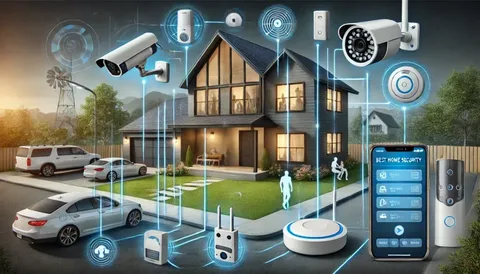
From there, many homeowners layer in Smart Home Installation, connecting security to lighting, locks, thermostats, and mobile alerts so the whole system works together instead of as separate pieces. Instead of just knowing a door opened, you can get a notification, check a live camera feed, and lock the door remotely, all from your phone.
For homes with more complex access needs — multiple family members, rental units, or properties with several entry points — Residential Access Control Installation adds another layer, managing exactly who can get in and when, without relying on physical keys that can be lost or copied.
Features Worth Knowing About
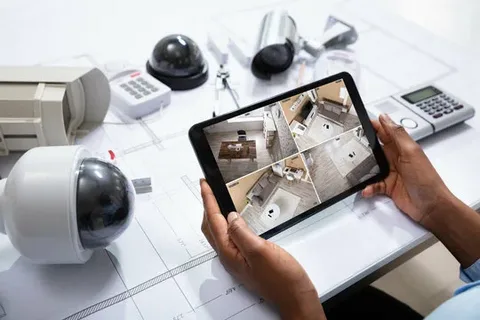
When people picture “home security,” cameras usually come to mind first, and for good reason. Well-placed surveillance cameras cover entry points, driveways, and blind spots around the property, giving homeowners a clear view of what’s actually happening — not just a guess.
Alarms are the next layer, and they’ve come a long way from the loud siren stereotype. Modern systems can trigger immediate mobile alerts the moment a sensor is tripped, so you know instantly rather than after the fact.
Monitoring ties it all together. Whether it’s self-monitoring through an app or a connected system that keeps tabs on your home continuously, the goal is the same: you should never be the last person to know something’s wrong at your own house.
What the Numbers Say
Home security data consistently points to a few clear patterns worth knowing before you decide on a setup:
| Factor | Impact |
|---|---|
| Visible security cameras | Strongly associated with reduced likelihood of attempted break-ins |
| Monitored alarm systems | Homes with monitored alarms are far less likely to be targeted than unprotected homes |
| Response time | Faster alerts and monitoring generally lead to faster response and reduced loss |
The pattern is consistent across most available home security research: visible deterrents combined with active monitoring make a measurable difference in whether a home becomes a target in the first place.
Why Local Experts Matter
A security system is only as good as its installation, and that’s where local expertise really shows its value. Homes across Philadelphia, Bucks County, Montgomery County, and Chester County come in every shape imaginable rowhomes with shared walls, older properties with unusual wiring, sprawling suburban lots with detached structures. A team that installs systems across this whole region day in and day out understands those differences in a way a generic, one-size-fits-all provider simply can’t.
Local installers also know the practical realities which areas tend to see more package theft, which neighborhoods benefit most from extra perimeter coverage, and how to design a system around a property’s actual layout instead of a generic template. That local know-how tends to translate directly into a system that actually fits your home, not just a standard package.
Tips Before Installation
- Walk your property first and identify every entry point — doors, windows, garages, and any secondary structures.
- Think about how you’ll use the system daily, not just during an emergency, since ease of use matters for consistent use.
- Consider your long-term plans, like whether you might want smart home integration down the road, so the system can grow with you.
- Ask about access control needs if multiple people — family, tenants, or staff — need different levels of entry.
- Choose a provider with local installation experience, since they’ll better understand your area’s specific layout and risks.
Final Thoughts
-
Home security shouldn’t feel like an afterthought it’s one of the most practical investments a homeowner can make in their own peace of mind. Whether it’s a straightforward Residential Security System Installation, a fully connected setup through Smart Home Installation, or a more advanced Residential Access Control Installation for a property with multiple access points, the right system is the one built around how you actually live.
NolimiTech works with homeowners across Philadelphia, Bucks County, Montgomery County, and Chester County to design and install security systems that actually fit their properties — not a generic package pulled off a shelf. That local, hands-on approach is exactly what separates a system that gets installed from one that actually gets used.
Reach out to NolimiTech today to get your home security system professionally installed and ready to protect what matters most.
Frequently Asked Questions
What is the best home security system for a Philadelphia home?
The best system depends on your property. A rowhome may only need core sensors and cameras, while a larger suburban property might benefit from added access control. A local provider can assess your home’s layout and recommend a setup that actually fits your needs.
Do I need smart home integration with my security system?
It’s not required, but many homeowners find it valuable. Connecting security to smart locks, lighting, and mobile alerts lets you monitor and control your home remotely, adding convenience on top of the core protection a standard security system already provides.
What's the difference between a security system and access control?
A security system focuses on detecting and alerting you to break-ins through sensors, cameras, and alarms. Access control manages who can enter your property and when, often through keyless entry, making it especially useful for homes with multiple residents or entry points.
How do security cameras help prevent break-ins?
Visible security cameras act as a strong deterrent, since most people looking to break in prefer targets that appear unmonitored. Cameras also provide a clear record of activity around your property, which is valuable both for prevention and for reviewing what happened afterward.
Why should I choose a local security installer in Philadelphia?
Local installers understand the specific layouts, risks, and needs common to homes across Philadelphia and the surrounding counties. That regional experience often leads to a more thoughtfully designed system compared to a generic, one-size-fits-all installation approach.