Skip to content
Think about your morning routine for a second. Lights flick on, the thermostat adjusts itself before you even get out of bed, and by the time you’re downstairs, the coffee’s already going. That’s not some far-off vision of the future — it’s just what a well-set-up home can do today. As daily life gets busier and technology gets smarter, more homeowners are discovering the real Home Theater Installation that come from letting a home actually work with you instead of the other way around.
It’s not about gadgets for the sake of gadgets, either. The appeal of a connected home is much simpler than that — less friction, more control, and a lot fewer “wait, did I lock the door?” moments after you’ve already left. Whether it’s security, comfort, or just saving a few minutes here and there throughout the day, automation has quietly become one of the more practical upgrades a home can get.
This guide breaks down what smart home automation actually involves, the benefits worth knowing about, and why so many households are making the switch.
What Is Smart Home Automation?
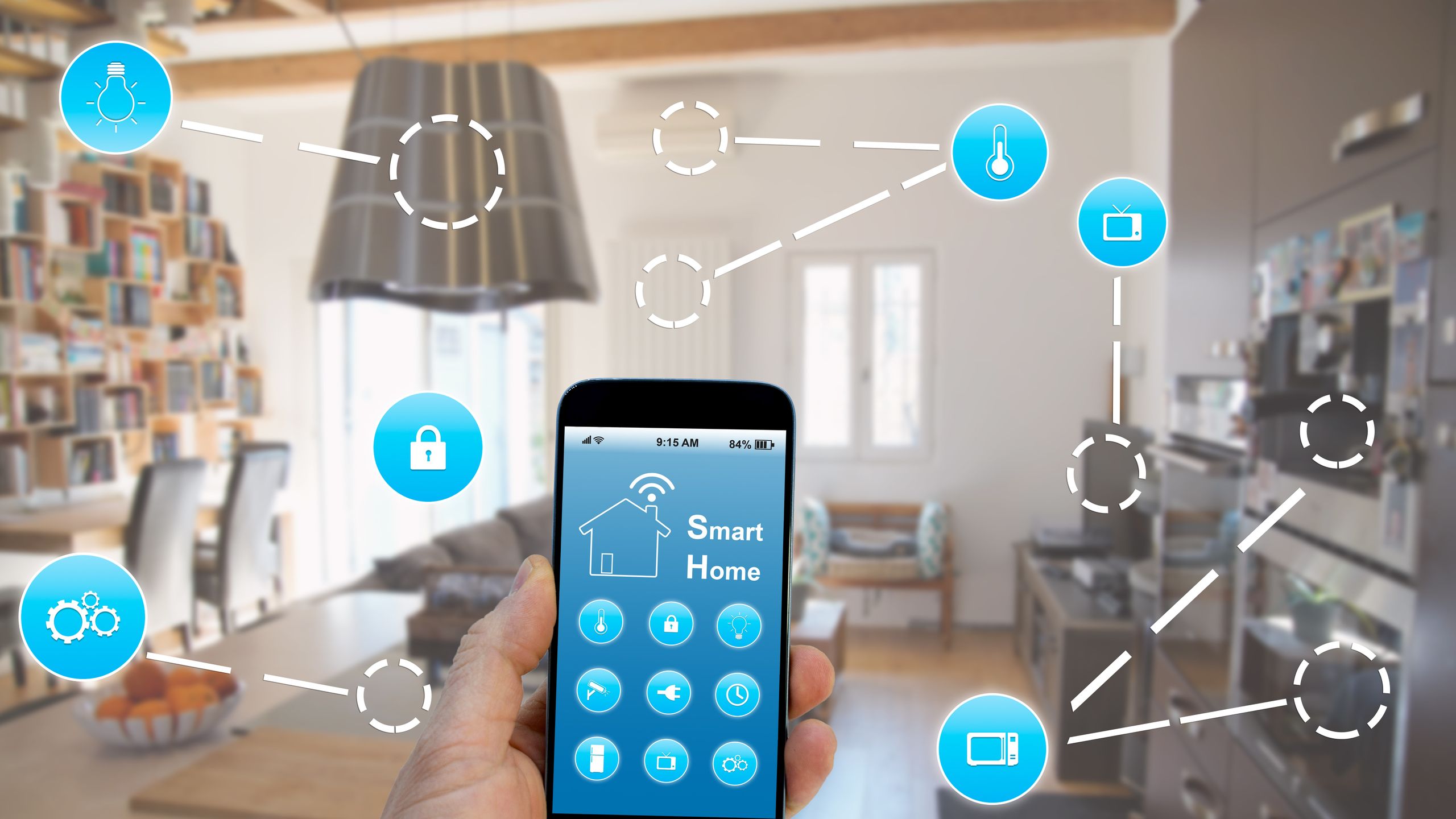
At its core, smart home automation means connecting the different systems in your house — lighting, security, entertainment, climate control — so they can communicate and respond automatically, instead of requiring you to manage each one separately.
A proper IT Solution ties these pieces together through a central hub or app, letting you control everything from one place, set routines that run without you lifting a finger, and get real-time alerts when something needs your attention. Instead of flipping a dozen switches or manually checking whether the garage door is closed, the system just handles it — or at least makes it a one-tap decision instead of a whole process.
Key Benefits
Comfort is usually the first thing people notice. Automated lighting, climate control, and entertainment systems adjust to your preferences without constant manual input — lights dim for movie night, the thermostat shifts as the seasons change, and your home just feels more responsive to how you actually live in it.
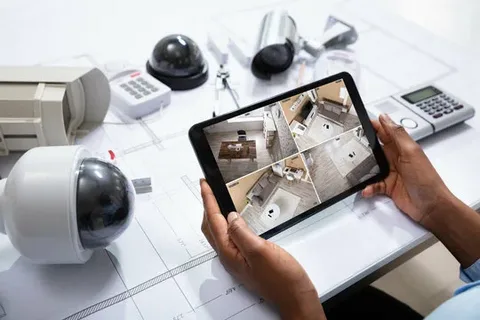
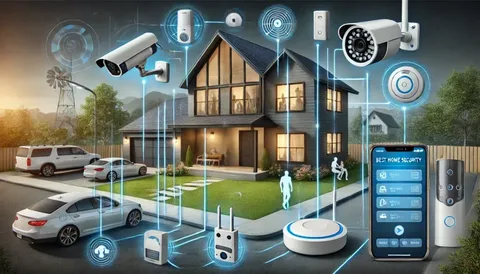
Security is where automation really earns its keep. Smart locks, connected cameras, and automated lighting schedules that mimic occupancy all work together to make a home feel — and actually be — safer. You’re not relying on memory to check if you locked up before bed; the system tells you, and often lets you fix it remotely if you didn’t.
Efficiency rounds out the big three. Smart thermostats and lighting systems adjust based on actual usage patterns rather than running on a fixed schedule regardless of whether anyone’s home. Over time, that kind of automatic efficiency adds up in ways manual habits rarely do, simply because the system doesn’t forget or get lazy about it.

Smart Devices Explained
A smart lighting system is often the easiest entry point into automation — lights that adjust based on time of day, occupancy, or a simple voice command, with none of the manual flipping required. It’s a small change that makes a noticeably bigger difference than most people expect.
Beyond lighting, Home Theater Installation features like smart locks, video doorbells, and connected sensors give homeowners real visibility into what’s happening at their property, whether they’re upstairs asleep or across the country on a trip.
For homes that want to go further, a Home Theatre Installation brings the same automation philosophy to entertainment — lighting, sound, and screens that respond to a single command instead of a stack of remotes. And underneath all of it, a solid Residential Network Solution is what actually makes everything run smoothly, since a smart home is only as reliable as the network connecting it all together.
What the Data Shows About Automation
Research into smart home adoption consistently highlights a few clear patterns worth knowing:
| Category | Typical Impact |
|---|---|
| Smart lighting & climate control | Reduces unnecessary energy use through automatic, usage-based adjustments |
| Smart security devices | Increases homeowner awareness of activity around the property in real time |
| Connected home routines | Reduces daily manual tasks by automating repetitive actions |
The overall trend is straightforward: automation tends to reduce the small daily friction of managing a home, while improving both security awareness and everyday efficiency at the same time.
Why Smart Homes Are Growing
It’s not hard to see why smart homes have gone from a novelty to something closer to an expectation. Smart devices have gotten easier to use, more affordable to access, and far better at working together than they were even a few years ago. What used to require separate apps and clunky setups now often runs through a single, unified system.
There’s also a broader shift happening in how people think about their homes generally — less as a static space, and more as something that should actively support daily life. As remote work, busy schedules, and connected lifestyles become the norm, homes that can adapt automatically simply make more sense than ones that require constant manual management.
Tips for Getting Started
- Start with one system — lighting or security are common, low-friction entry points into automation.
- Think about how the pieces will connect before adding devices one at a time, so everything works together instead of separately.
- Prioritize a strong home network, since a shaky connection undermines even the best automation setup.
- Consider your daily routines and automate around them, rather than adding features you won’t actually use.
- Plan for future expansion, like entertainment or additional security devices, so your system can grow without needing to be redone.
Final Thoughts
Smart home automation isn’t about turning your house into something out of a sci-fi movie — it’s about making everyday life a little smoother, safer, and more efficient. From a foundational Smart Home Installation to an immersive Home Theatre Installation and the Residential Network Solution that ties it all together, automation is one of those upgrades that quietly makes a real difference once it’s actually in place.
NolimiTech works with homeowners to design and install automation systems built around how they actually live — not a generic, one-size-fits-all setup. If your home could use a little less friction and a lot more convenience, this is exactly the kind of project worth exploring.
Reach out to NolimiTech today to start building a smart home that actually works for you.
Frequently Asked Questions
Smart home automation offers greater comfort, improved security, and better energy efficiency. It connects lighting, climate control, and security into one system, reducing manual tasks and giving homeowners real-time visibility and control over their home from anywhere.
No, convenience is just one part of it. Automation also strengthens home security through smart locks and connected cameras, and improves efficiency by adjusting lighting and climate control based on actual usage rather than a fixed, unchanging schedule.
Yes. Home theatre systems can be integrated into a broader automation setup, allowing lighting, sound, and screens to respond to a single command. This creates a more seamless entertainment experience alongside the home's other automated systems.
Yes. A reliable, well-designed home network is essential for smart devices to communicate consistently. Without it, automation features can become unreliable or slow to respond, which is why a solid network foundation matters as much as the devices themselves.
Yes, automation scales to fit the home. Even a smaller property can benefit from smart lighting, security devices, and connected routines, making daily life more convenient without requiring the extensive setup often associated with larger homes.